Hydraulic cylinders are essential components in many industrial, marine, mobile and material-handling machines. They convert hydraulic pressure into controlled linear movement, making them critical for lifting, pushing, pulling and positioning applications. When a cylinder develops leakage, reduced force or uneven movement, equipment performance can quickly decline. Regular inspection, timely repair and proper maintenance can help extend cylinder life and reduce unexpected downtime.
Understanding Hydraulic Cylinder Performance
A hydraulic cylinder depends on several components working together, including the barrel, piston, rod, seals and mounting elements. Damage or wear to any of these parts can affect overall performance. Common problems include oil leakage, slow movement, excessive vibration, reduced pressure and uneven operation.
Identifying these symptoms early can help prevent more serious equipment damage and costly repairs.
Common Causes Of Hydraulic Cylinder Problems
Hydraulic cylinders operate under pressure and may experience continuous mechanical loads. Contaminated hydraulic oil, worn seals, damaged rods, corrosion, incorrect alignment and excessive operating pressure can contribute to premature failure.
Marine applications can present additional challenges because moisture and corrosive environments may affect exposed components. Choosing suitable materials and maintaining proper protection is particularly important for such applications.
When Should A Hydraulic Cylinder Be Repaired?
A cylinder should be inspected when visible oil leakage, unusual movement, reduced lifting capability or abnormal noise appears. Continuing to operate equipment with a damaged cylinder can increase wear on other hydraulic components.
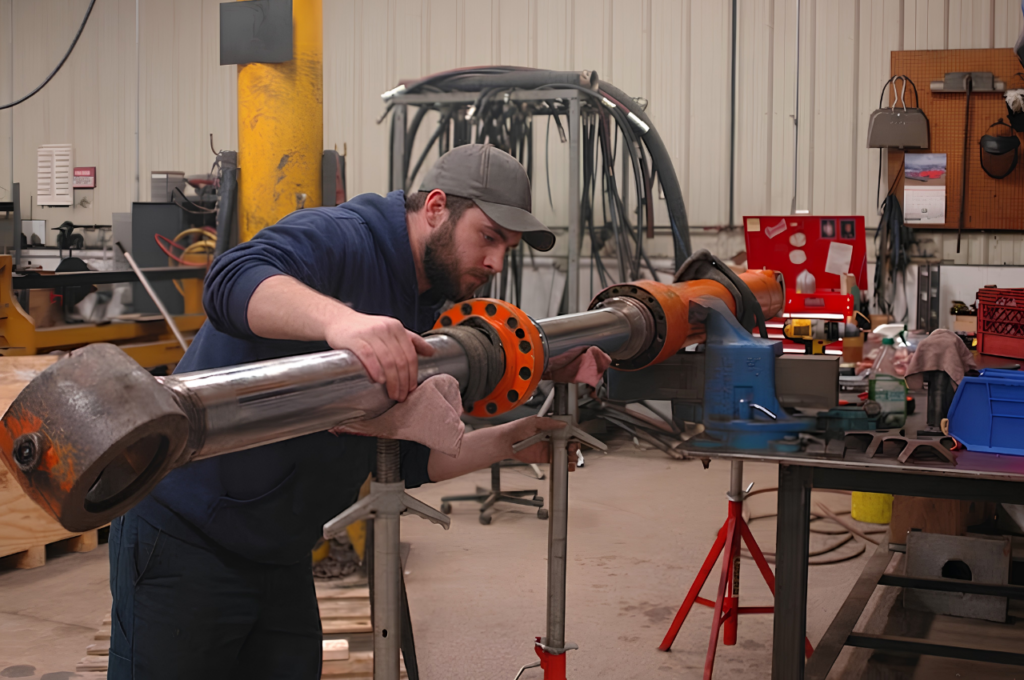
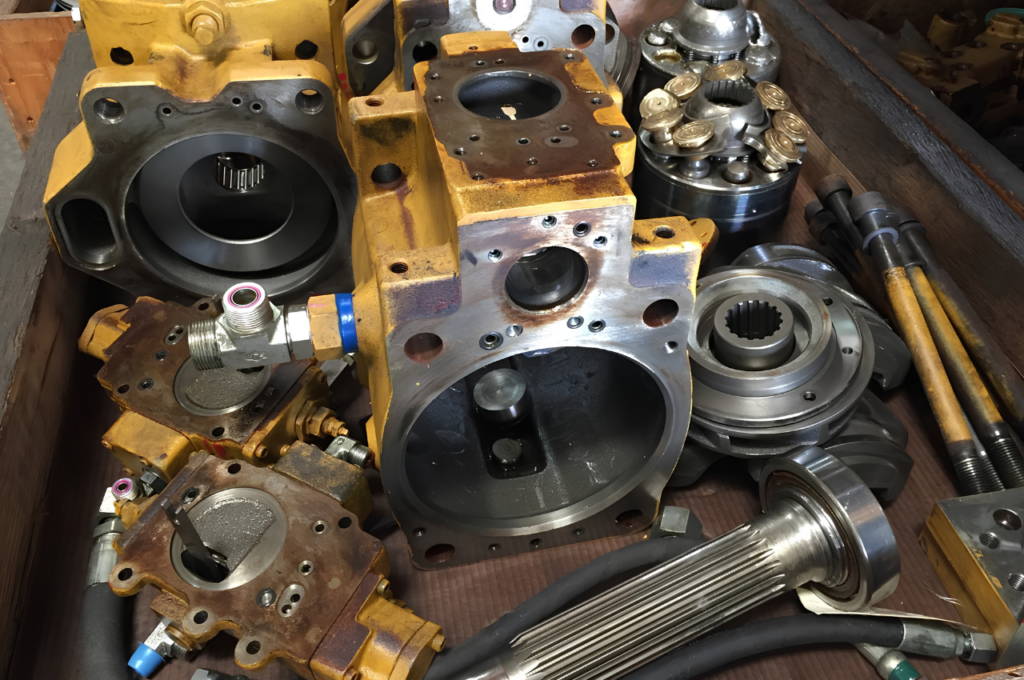
Professional hydraulic cylinder repair may involve inspection, disassembly, seal replacement, component refurbishment, machining and testing, depending on the condition of the cylinder.
Benefits Of Regular Cylinder Maintenance
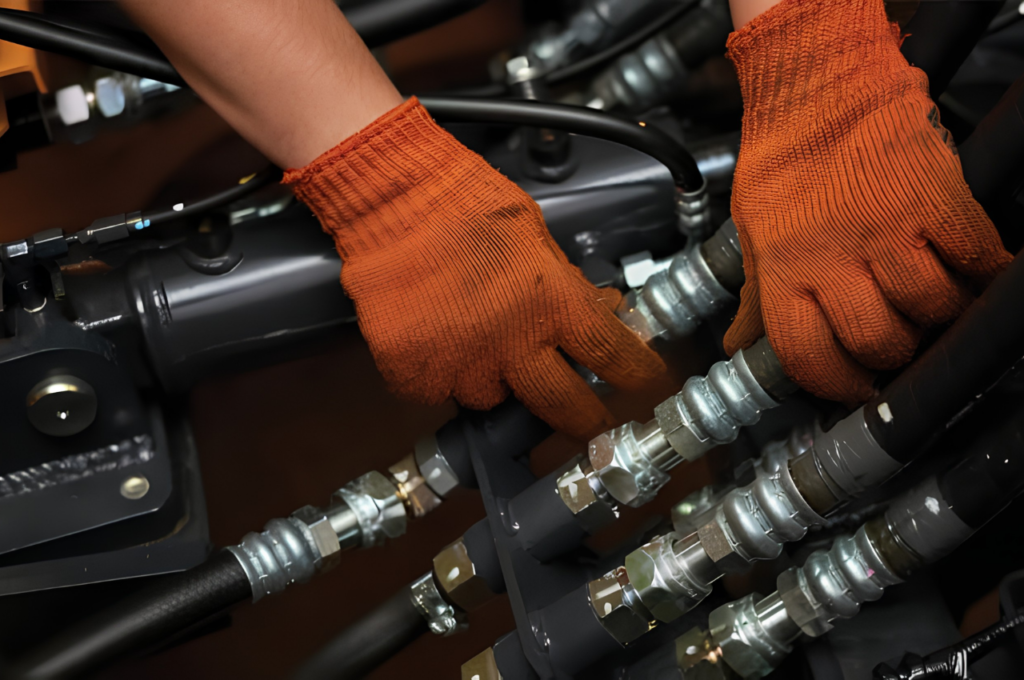
Routine maintenance helps identify developing problems before they become major failures. Checking seals, rods, mounting points and hydraulic connections can help maintain consistent performance.
Regular servicing can also reduce unexpected downtime, improve equipment reliability and extend the useful life of hydraulic cylinders.
Choosing The Right Hydraulic Cylinder Service
Hydraulic cylinders vary considerably depending on application, dimensions, pressure requirements and operating environment. Industrial, mobile and marine equipment may require different cylinder designs and materials.
A capable hydraulic service provider should be able to assess the application and provide suitable manufacturing, repair or servicing solutions based on the equipment requirements.
Conclusion
Reliable hydraulic cylinders are essential for maintaining efficient equipment operation. Timely inspection, professional repair and appropriate maintenance can help reduce downtime and improve equipment reliability. Whether a cylinder requires servicing, rebuilding or replacement, addressing the problem early is an important part of effective hydraulic equipment maintenance.